15 Powerful Insights Into the Meaning of a Slogan for Branding
Understanding the meaning of a slogan is essential for anyone involved in branding, marketing, or content creation.
A slogan is more than just a catchy phrase it’s a powerful communication tool that captures the essence of a brand, product, or idea in just a few words.
When crafted effectively, it creates an emotional connection, reinforces brand identity, and leaves a lasting impression on the audience.
From global corporations to small startups, businesses rely on slogans to communicate their message clearly and memorably.
What Is the Meaning of a Slogan
- ✨ A slogan is a short, memorable phrase used to represent a brand or idea ✨
- 💡 It communicates a core message in a simple and impactful way 💡
- 🎯 Designed to stick in the audience’s mind for a long time 🎯
- 🧠 Helps improve brand recall and recognition 🧠
- 📢 Often used in advertising campaigns to reinforce messaging 📢
- 🏷️ Reflects the identity and personality of a business 🏷️
- 🔥 Can evoke emotions or inspire action among audiences 🔥
- 🌍 Works across multiple platforms and marketing channels 🌍
- 📈 Supports brand consistency and positioning 📈
- 🎨 Usually creative, catchy, and easy to understand 🎨
- 💬 Acts as a quick summary of what a brand stands for 💬
- 🚀 Helps differentiate a brand from competitors 🚀
Importance of a Slogan in Branding
- 🏆 Strengthens overall brand identity and recognition 🏆
- 📢 Makes marketing campaigns more effective 📢
- 💭 Helps customers remember a business easily 💭
- 🎯 Communicates value proposition clearly 🎯
- 💡 Creates a strong first impression 💡
- 🌟 Builds emotional connection with the audience 🌟
- 📈 Improves customer trust and loyalty 📈
- 🧠 Reinforces brand message consistently 🧠
- 🔥 Adds personality to the brand 🔥
- 🌍 Helps in global brand positioning 🌍
- 🎨 Makes advertising more engaging 🎨
- 🚀 Drives customer engagement and action 🚀
Key Elements of a Good Slogan
- ✨ Short and concise wording ✨
- 🎯 Clear and focused message 🎯
- 🧠 Easy to remember and repeat 🧠
- 💡 Unique and creative expression 💡
- 🎨 Reflects brand personality 🎨
- 🔥 Emotionally appealing 🔥
- 📢 Simple language for wide understanding 📢
- 🌍 Universal relevance 🌍
- 🏷️ Aligns with brand values 🏷️
- 🚀 Action-oriented tone 🚀
- 💬 Strong and meaningful words 💬
- 🌟 Leaves a lasting impression 🌟
Types of Slogans Used in Marketing
- 🏷️ Brand slogans that represent identity 🏷️
- 📢 Advertising slogans for campaigns 📢
- 💡 Descriptive slogans explaining benefits 💡
- 🎯 Persuasive slogans encouraging action 🎯
- 🔥 Emotional slogans connecting with feelings 🔥
- 🌍 Global slogans for international appeal 🌍
- 🎨 Creative slogans for uniqueness 🎨
- 🧠 Informative slogans sharing key details 🧠
- 🚀 Promotional slogans for sales 🚀
- 💬 Catchy slogans for memorability 💬
- 🌟 Inspirational slogans motivating audiences 🌟
- 📈 Strategic slogans supporting branding 📈
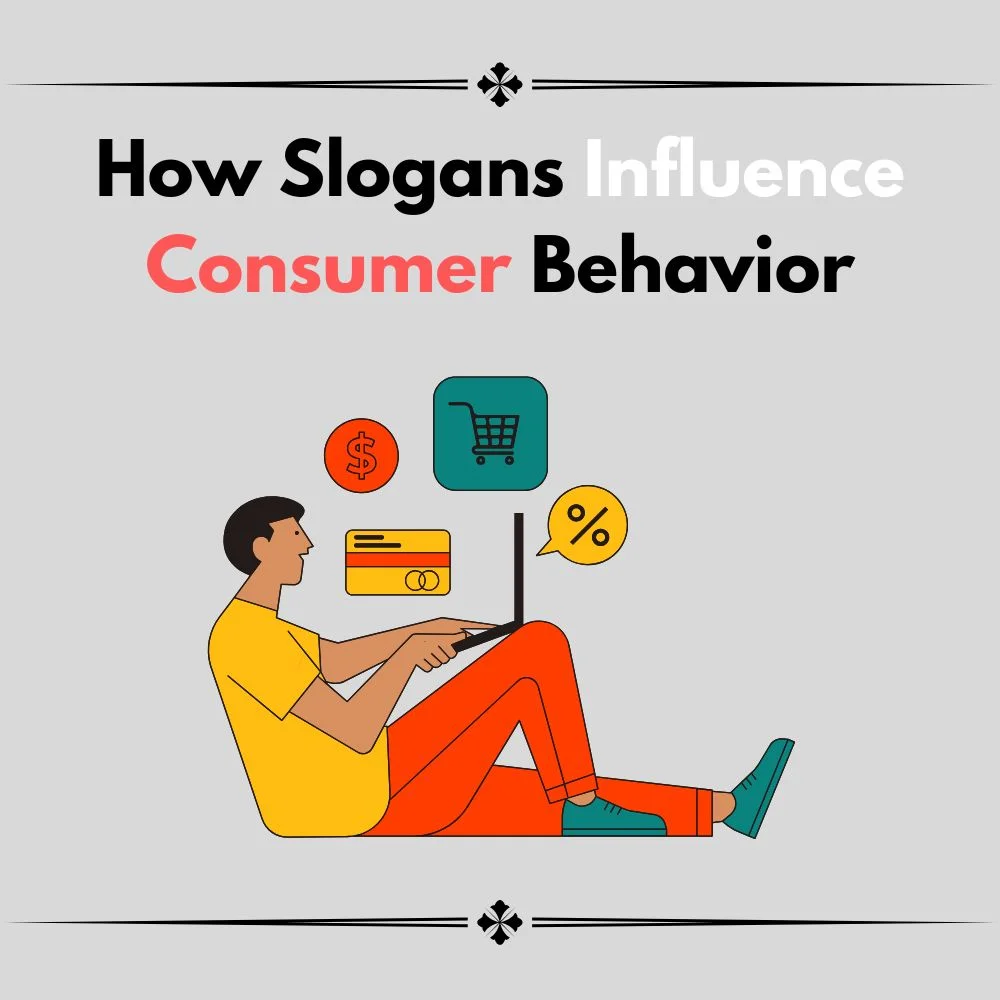
How Slogans Influence Consumer Behavior
- 🧠 Improve memory recall of brands 🧠
- 💡 Shape customer perception 💡
- 🎯 Encourage purchase decisions 🎯
- 🔥 Trigger emotional responses 🔥
- 📢 Reinforce brand messaging 📢
- 🌟 Build trust and credibility 🌟
- 🚀 Motivate action and engagement 🚀
- 💬 Simplify complex messages 💬
- 🏷️ Strengthen brand identity 🏷️
- 📈 Increase customer loyalty 📈
- 🎨 Make ads more appealing 🎨
- 🌍 Expand brand reach 🌍
Difference Between Tagline and Slogan
- 📢 Slogans are often campaign-specific 📢
- 🏷️ Taglines are long-term brand statements 🏷️
- 💡 Slogans change with marketing strategies 💡
- 🎯 Taglines remain consistent over time 🎯
- 🧠 Both aim to create memorability 🧠
- 🔥 Slogans are more flexible 🔥
- 🌟 Taglines define brand identity 🌟
- 📈 Slogans support promotions 📈
- 🎨 Taglines focus on brand essence 🎨
- 💬 Slogans highlight specific messages 💬
- 🚀 Both are crucial for branding 🚀
- 🌍 Used across different marketing channels 🌍
Benefits of Using a Strong Slogan
- 🏆 Enhances brand recognition 🏆
- 📢 Improves marketing effectiveness 📢
- 💭 Creates lasting impressions 💭
- 🎯 Communicates message quickly 🎯
- 💡 Builds emotional connection 💡
- 🌟 Strengthens brand loyalty 🌟
- 📈 Increases audience engagement 📈
- 🧠 Supports brand recall 🧠
- 🔥 Differentiates from competitors 🔥
- 🚀 Boosts advertising impact 🚀
- 🎨 Adds creative value 🎨
- 🌍 Expands brand reach 🌍
Common Mistakes When Creating Slogans
- ❌ Making it too long and complex ❌
- ❌ Using unclear or vague language ❌
- ❌ Copying competitors ❌
- ❌ Ignoring brand identity ❌
- ❌ Lack of creativity ❌
- ❌ Overcomplicating the message ❌
- ❌ Not considering target audience ❌
- ❌ Using jargon or difficult words ❌
- ❌ Forgetting emotional appeal ❌
- ❌ Lack of consistency ❌
- ❌ Not testing effectiveness ❌
- ❌ Failing to align with brand values ❌
Tips for Writing an Effective Slogan
- ✨ Keep it short and simple ✨
- 🎯 Focus on one clear message 🎯
- 💡 Use creative and catchy words 💡
- 🧠 Make it easy to remember 🧠
- 🎨 Reflect brand personality 🎨
- 🔥 Add emotional appeal 🔥
- 📢 Use strong and impactful language 📢
- 🌍 Ensure wide understanding 🌍
- 🏷️ Align with brand values 🏷️
- 🚀 Test different variations 🚀
- 💬 Get feedback from audience 💬
- 🌟 Keep it unique and original 🌟
Role of Slogans in Digital Marketing
- 🌐 Enhances online brand presence 🌐
- 📢 Improves social media campaigns 📢
- 💡 Supports content marketing strategies 💡
- 🎯 Increases engagement rates 🎯
- 🧠 Boosts brand recall online 🧠
- 🔥 Makes ads more effective 🔥
- 📈 Drives traffic and conversions 📈
- 🎨 Adds creativity to digital content 🎨
- 🌍 Expands global reach 🌍
- 💬 Simplifies brand messaging 💬
- 🚀 Supports SEO strategies 🚀
- 🌟 Strengthens online identity 🌟
Examples of Effective Slogan Characteristics
- ✨ Short and memorable phrases ✨
- 🎯 Clear and focused messaging 🎯
- 💡 Creative wordplay 💡
- 🧠 Easy pronunciation 🧠
- 🎨 Reflects brand personality 🎨
- 🔥 Emotional connection 🔥
- 📢 Strong impact 📢
- 🌍 Universal appeal 🌍
- 🏷️ Consistent with brand identity 🏷️
- 🚀 Encourages action 🚀
- 💬 Simple language 💬
- 🌟 Long-lasting impression 🌟
How to Test a Slogan’s Effectiveness
- 🧪 Gather audience feedback 🧪
- 📊 Analyze engagement metrics 📊
- 💡 Conduct surveys or polls 💡
- 🧠 Test memorability 🧠
- 🎯 Evaluate clarity of message 🎯
- 🔥 Measure emotional response 🔥
- 📢 Compare with competitors 📢
- 🌍 Check cultural relevance 🌍
- 🏷️ Ensure brand alignment 🏷️
- 🚀 Run A/B testing 🚀
- 💬 Observe audience reactions 💬
- 🌟 Monitor long-term impact 🌟
Evolution of Slogans Over Time
- 📜 Early slogans focused on information 📜
- 🎯 Modern slogans focus on emotions 🎯
- 💡 Shift from descriptive to creative 💡
- 🌍 Globalization influenced messaging 🌍
- 🧠 Simplicity became more important 🧠
- 🔥 Digital era increased competition 🔥
- 📢 Social media shaped slogan style 📢
- 🎨 Creativity plays a bigger role 🎨
- 🚀 Faster adaptation to trends 🚀
- 💬 Shorter phrases preferred 💬
- 🌟 Focus on brand storytelling 🌟
- 📈 Continuous evolution with marketing trends 📈
Conclusion
A slogan may seem like a small part of a brand’s identity, but its impact is far-reaching.
Understanding the meaning of a slogan helps you appreciate how a few carefully chosen words can shape perception, build trust, and drive engagement.
In a crowded marketplace, where businesses compete for attention every second, having a memorable and meaningful slogan can set a brand apart.
A well-crafted slogan is not just about creativity it’s about clarity, purpose, and connection.
It reflects the brand’s values, communicates its message, and resonates with its audience on an emotional level.

Daniel Roberts is a digital content creator passionate about helping startups and creators stand out with memorable and effective messaging.