
Slog Definition Explained 12 Powerful Insights You Need to Know
Understanding the meaning of “slog” can help you better appreciate how language evolves across different contexts, from everyday conversations to professional writing.
The term “slog” is often used to describe a task that requires consistent effort, determination, and patience over time.
While it may sound simple, the word carries a deeper sense of perseverance, especially when referring to activities that feel repetitive or exhausting.
In both casual and formal usage, “slog” highlights the importance of staying committed even when progress seems slow.
What Does Slog Mean in Simple Terms
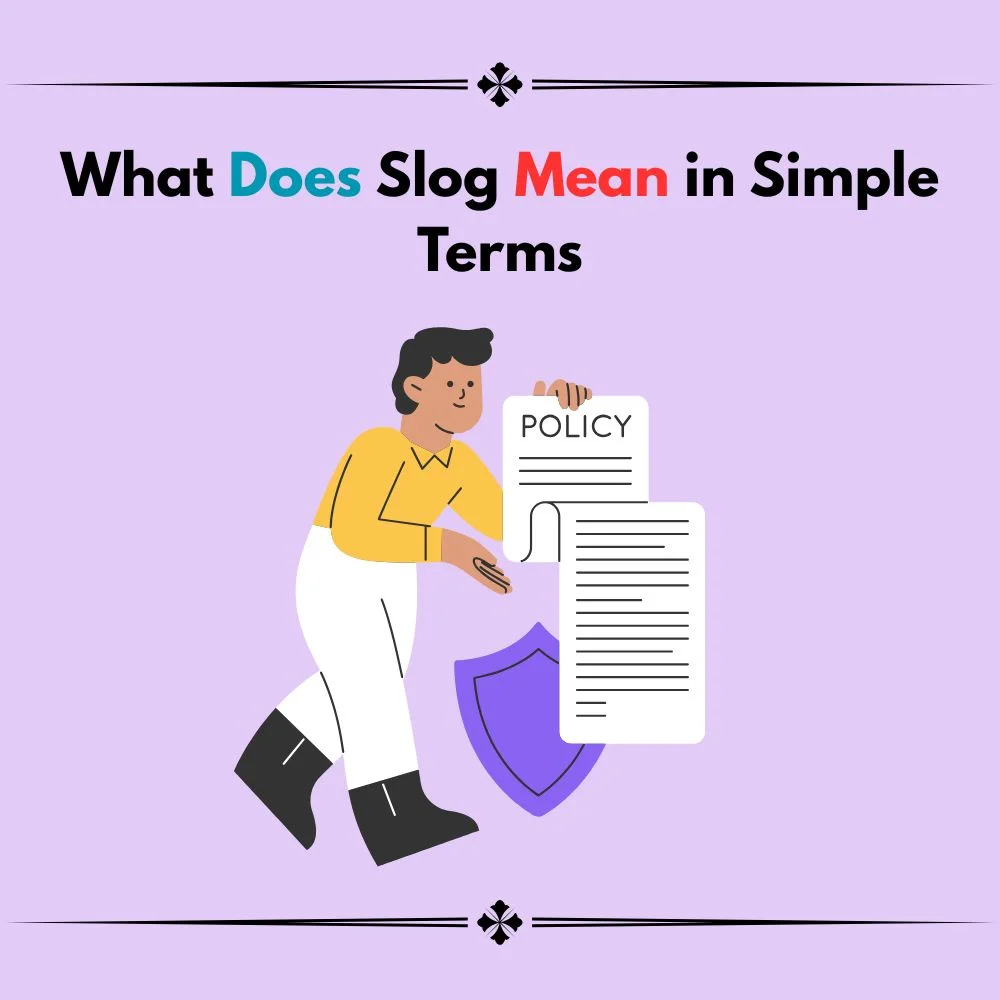
- 🔍 A slog refers to a task that requires steady and prolonged effort 💪
- 🧠 It often involves repetitive or tiring work that demands patience ⏳
- 📘 The term can be used both as a noun and a verb ✍️
- 🏃 It suggests moving forward slowly but consistently 🚶♂️
- 😓 A slog usually feels mentally or physically draining 😩
- 📊 It applies to work, study, fitness, and daily routines 📅
- 🔄 It emphasizes persistence rather than speed 🔁
- 🎯 Completing a slog often leads to rewarding outcomes 🏆
- 📚 Commonly used in academic and professional contexts 🏫
- 🛠️ It highlights effort over instant results ⚙️
- 🌱 Encourages long-term growth and discipline 🌿
- 🧭 Helps build resilience and determination 💯
Origin and History of the Word Slog
- 📜 The word “slog” originates from Scottish and Northern English dialects 🏴
- ⚔️ Initially meant to strike or hit heavily 💥
- 📖 Over time, it evolved into meaning hard work 📚
- 🧠 Shifted from physical action to mental effort 🧩
- 🌍 Became widely used in modern English globally 🌎
- 🗣️ Common in both British and American English 🇬🇧🇺🇸
- 🧱 Reflects the idea of pushing through obstacles 🚧
- 📆 Gained popularity in the 19th century 🕰️
- 🎭 Used in literature and storytelling 📖
- 🧑🏫 Now taught in language and vocabulary lessons 🏫
- 📊 Frequently appears in workplace discussions 💼
- 🧠 Represents endurance and persistence 💡
Slog as a Verb vs. Noun

- ✍️ As a verb, it means to work hard over time 🔨
- 📘 As a noun, it refers to the task itself 📋
- 🧠 Verb example: “She slogged through the project” 🧩
- 📖 Noun example: “The assignment was a slog” 📝
- 🔄 Both forms emphasize effort and persistence 🔁
- 🧭 Verb form highlights action 🚶♀️
- 📊 Noun form highlights experience 📊
- 🏋️ Often used in physical and mental contexts 💪
- 🧑💼 Common in professional environments 💼
- 🧑🎓 Frequently used in education settings 🎓
- 🔍 Helps describe long-term commitments 📅
- 🎯 Adds clarity to effort-based descriptions 🏆
Common Situations Where Slog Is Used
- 📚 Studying for long exams can feel like a slog 📝
- 💼 Completing lengthy office projects 🖥️
- 🏃 Training for marathons or fitness goals 🏋️
- 🧹 Household chores that take time 🏠
- 🧑💻 Coding or technical work projects 💻
- 📖 Reading complex academic material 📘
- 🧑🔬 Research and analysis tasks 🔬
- 🧑🎨 Creative work requiring revisions 🎨
- 🛠️ Building a business from scratch 🚀
- 🧳 Long travel journeys with delays ✈️
- 🧑🏫 Teaching or learning new skills 📚
- 🧭 Personal growth and self-improvement 🌱
Positive vs. Negative Connotations of Slog
- ⚖️ Can be seen as negative due to difficulty 😓
- 🌟 Also positive because it shows determination 💪
- 🧠 Builds mental strength and resilience 🧩
- 📈 Leads to long-term success 📊
- 😩 May feel exhausting during the process 💤
- 🏆 Rewarding once completed 🎯
- 🔄 Encourages consistency 🔁
- 🧭 Teaches patience and discipline ⏳
- 💡 Helps develop strong work habits 📘
- 🎯 Focuses on results through effort 🏁
- 🌱 Promotes growth mindset 🌿
- 🧠 Shapes character and persistence 💯
Examples of Slog in Everyday Sentences
- 🗣️ “Finishing this report is a real slog” 📄
- 📘 “He slogged through hours of study” 📚
- 🏃 “Training daily felt like a slog” 💪
- 💼 “The project turned into a long slog” 🖥️
- 🧑🎓 “Exam preparation can be a slog” 📝
- 🧑💻 “Debugging code was a slog” 💻
- 🧹 “Cleaning the house became a slog” 🏠
- 🧭 “Building habits is often a slog” 🔁
- 🧑🔬 “Research work can be a slog” 🔬
- 🧳 “Travel delays made the trip a slog” ✈️
- 🧠 “Learning new skills may feel like a slog” 📘
- 🎯 “Success comes after the slog” 🏆
Why Understanding Slog Matters
- 🧠 Helps improve vocabulary and communication 📘
- 📊 Useful in professional writing 💼
- 🧭 Encourages realistic expectations ⏳
- 💡 Promotes perseverance mindset 🌱
- 🧑🎓 Valuable for students and learners 🎓
- 🏆 Highlights importance of hard work 💪
- 🔄 Supports long-term goal setting 🎯
- 📖 Enhances reading comprehension 📚
- 🧠 Builds emotional resilience 💯
- 🛠️ Useful in motivational content 🚀
- 📈 Aligns with personal growth strategies 📊
- 🌍 Widely used across industries 🌎
Synonyms and Related Words for Slog
- 🔁 Grind (steady effort) ⚙️
- 💪 Hustle (hard work) 🚀
- 🧠 Struggle (effort with difficulty) 😓
- 🔧 Toil (labor-intensive work) 🛠️
- 🏃 Push through (keep going) 🚶♂️
- 📘 Labor (continuous effort) 📚
- 🧭 Endure (withstand challenges) ⏳
- 🧑💼 Work hard (general effort) 💼
- 🧠 Persevere (stay committed) 💯
- 🔄 Persist (continue despite difficulty) 🔁
- 🎯 Dedicate (focus effort) 🏆
- 🌱 Develop (grow over time) 🌿
Slog in Academic and Professional Contexts
- 🎓 Used in essays and assignments 📚
- 💼 Common in workplace communication 🖥️
- 🧠 Describes long-term research efforts 🔬
- 📊 Helps explain project challenges 📈
- 🧑🏫 Useful in teaching persistence 🏫
- 📘 Appears in business reports 📄
- 🧭 Helps set realistic deadlines ⏳
- 🛠️ Encourages consistent work habits 🔧
- 🧠 Improves clarity in communication 💡
- 📖 Used in presentations and speeches 🎤
- 🏆 Highlights effort-based success 🎯
- 🌍 Relevant across industries 🌎
How to Overcome a Slog Effectively
- 🎯 Break tasks into smaller goals 📋
- ⏳ Set realistic deadlines 🕰️
- 💡 Stay motivated with rewards 🏆
- 🧠 Focus on progress, not perfection 📈
- 🔄 Take regular breaks 🔁
- 🏃 Maintain physical and mental health 💪
- 📘 Use productivity techniques 🧩
- 🧑💻 Eliminate distractions 💻
- 🧭 Keep long-term goals in mind 🌱
- 🤝 Seek support when needed 👥
- 🧠 Stay positive and focused 💯
- 🎯 Celebrate small achievements 🎉
Slog in Motivation and Personal Growth
- 🌱 Builds discipline and consistency 💪
- 🧠 Strengthens mental resilience 💯
- 🎯 Encourages long-term thinking 📈
- 🔄 Promotes habit formation 🔁
- 🧭 Helps achieve meaningful goals 🏆
- 💡 Inspires perseverance 🌟
- 🧑🎓 Supports lifelong learning 📚
- 🛠️ Develops strong work ethic 🔧
- 📊 Aligns with success strategies 📈
- 🧠 Improves self-confidence 💡
- 🌍 Relevant in all life areas 🌎
- 🎯 Leads to sustainable success 🏁
Conclusion
The concept of a slog may not sound appealing at first, but it represents one of the most important aspects of achieving meaningful success.
In a world where instant results are often glorified, understanding the value of steady, consistent effort can completely change how you approach your goals.
Whether you are working on a challenging project, building new skills, or striving for personal growth, recognizing that progress sometimes requires patience can make the journey more manageable.
A slog is not just about difficulty; it is about commitment, resilience, and the willingness to keep moving forward even when things feel slow or repetitive.
By embracing this mindset, you can develop stronger habits, improve your productivity, and achieve results that truly matter.

Daniel Roberts is a digital content creator passionate about helping startups and creators stand out with memorable and effective messaging.